2 min read
World Bank: power and water costs hold Kenyan firms back
A new World Bank Group report puts Kenya’s power tariff among the region’s highest. In its 2025 survey, three in four firms reported outages and six in ten had a generator.
 Power
Power75%
of Kenyan firms reported power outages in 2025, in the World Bank’s survey
The World Bank Group published its Kenya Country Private Sector Diagnostic on 30 September. It looks at what holds private investment back and where it could grow, and the cost and reliability of power and water come up throughout.
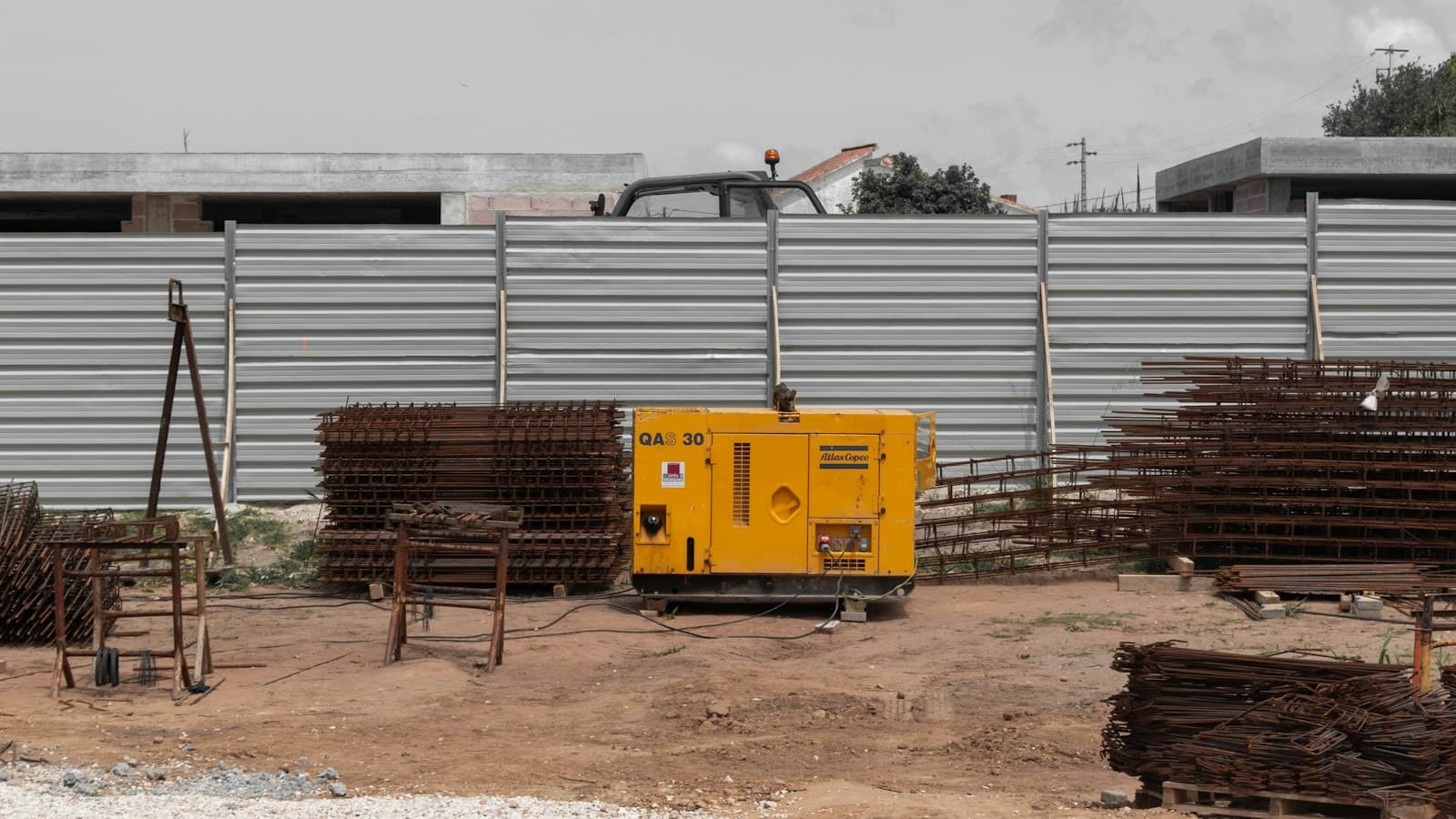
The report puts Kenya’s electricity tariff at around US$0.26 per kilowatt-hour, among the highest in the region. In the World Bank’s 2025 survey of firms, almost 75% reported power outages and about 60% owned or shared a generator. Both are above the average for Sub-Saharan Africa.
Water is a problem too. More than 37% of firms said they did not have enough, against about 17% in other lower-middle-income countries.
Why the blackouts came back
The report links the return of blackouts partly to a pause on new power purchase agreements with independent producers. It ran from 2021 to November 2025 and held back investment in new generation.
Where it sees room to grow
It picks out avocado and mango exports, coastal tourism and the making of medical consumables, and estimates that the reforms it proposes could bring up to US$1.5 billion of extra private investment and 80,000 more, better-paid direct jobs over the medium term.
For medical consumables, it notes that industrial power averages US$0.18 to US$0.23 per kWh in Kenya, against about US$0.03 to US$0.05 in Egypt, Ethiopia and Morocco.
Why it matters
- The report puts numbers on costs most factories already carry: the generator, its diesel, and the hours lost when the power goes.
- Power is several times cheaper in some of the countries Kenyan goods compete with, which shows in the price of what is made here.
- It is a set of recommendations, not a decision. What changes depends on which of them are taken up.
Sources
- World Bank Group / IFC - Kenya Country Private Sector Diagnostic · 30 September 2026
- The full report (PDF) · 30 September 2026
- The Standard - World Bank tips Kenya on jobs to reverse flagging economic fortunes · 4 October 2026