1 min read
Unilever’s Nairobi factory now runs 30% on solar
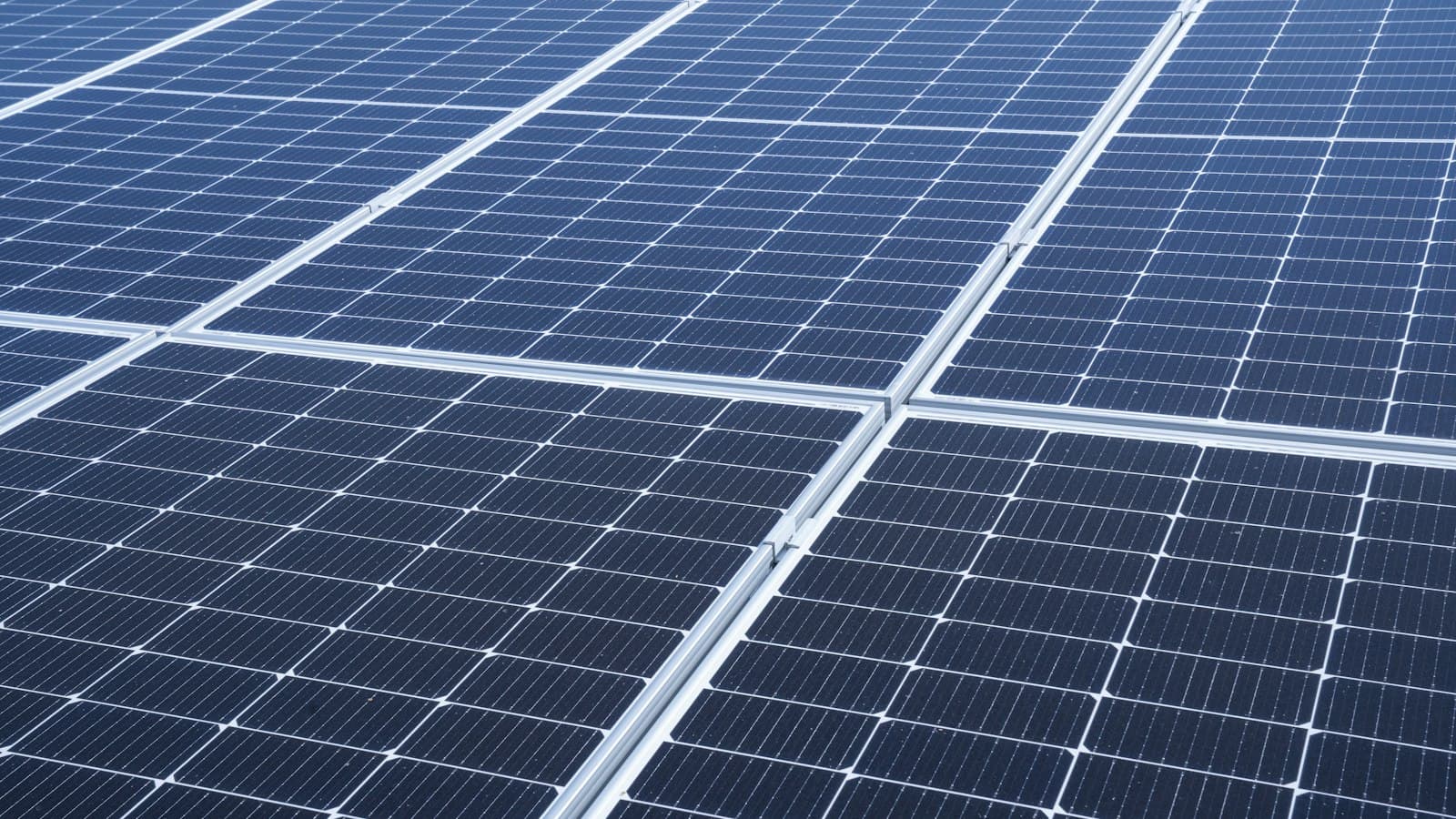
An 800kW rooftop system cost Ksh 70 million and saves about Ksh 30 million a year, the company says. On those figures it pays for itself in under two and a half years.
 Power
PowerKsh 30m
a year saved on power, Unilever says, from an 800kW solar system
Unilever has put an 800kW solar system on its Nairobi factory at a cost of Ksh 70 million. The company says it has been running since June, supplies about 30% of the plant’s electricity, and saves roughly Ksh 30 million a year on energy.
Together with an earlier switch from heavy fuel oil to biomass for the factory’s boilers, Unilever says the plant’s carbon emissions are about 40% lower than in 2023.
The payback
On the company’s own figures, the system pays for itself in under two and a half years: Ksh 70 million spent against Ksh 30 million saved a year. That is a simple sum, before maintenance or the cost of borrowing.
Since September, EPRA credits solar power that is fed into the grid at half its value, and bills power fed in without approval. That makes power used on site worth more than power sold back.
Why it matters
- Solar only produces in daylight, so the share of a plant’s power it can cover depends on when the plant runs.
- With Kenya’s power tariff among the highest in the region, according to the World Bank, the sums for rooftop solar look better than they would elsewhere.
- The savings figures are Unilever’s own and have not been checked independently.